
To keep a large all-hands audience engaged, ask everyone in the room to do one small thing in the first five minutes, then build the rest of the program out of what they give you. People stay with a program they are inside of. This post is for event planners, internal comms leads, and sales-ops leaders running an all-hands or a sales kickoff (SKO) for a few hundred people or for ten thousand, who have booked good speakers and still worry about the room.
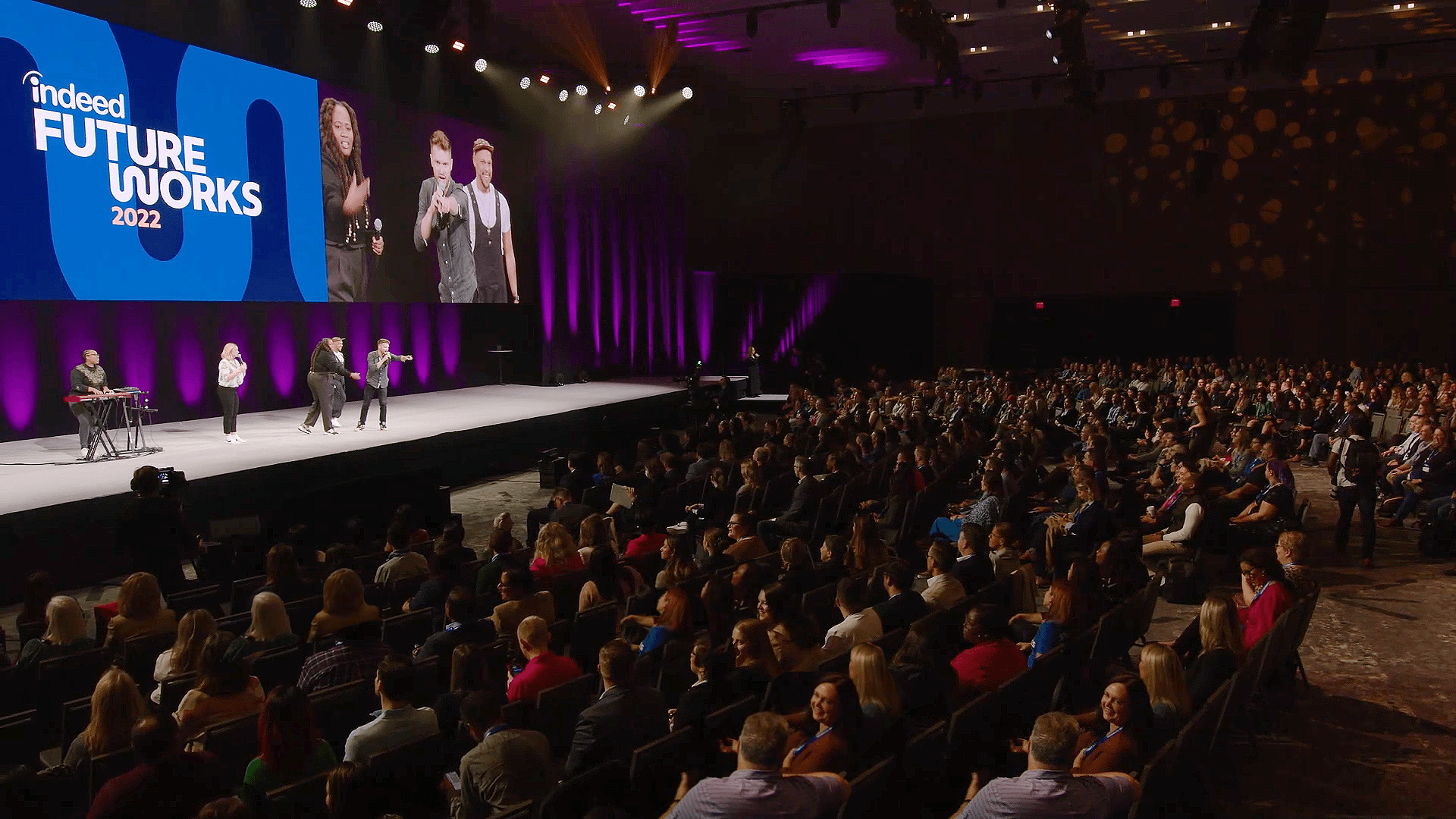
Why does a big room go quiet so fast?
Because the first ten minutes tell people whether this is a meeting they attend or one they are part of. Most all-hands open with logistics, thank-yous, and a slide showing the agenda. Nobody is asked for anything. By the time the first speaker walks out, a few hundred people have settled into phone-checking posture, and the speaker is working against it.
Speakers are usually fine. The audience just has not been given a job yet.
What should the first five minutes ask of the room? (hint: warm it up)
One small, safe thing that everyone can do at once. A one-word answer works well: one word for how this year has felt, or one word for the launch everybody remembers, anything. People type it into the event app or the chat, or shout it, depending on the room. Nobody is singled out and nothing takes more than five seconds, which is the point. Once a few hundred people have said something out loud or on a screen, the room stops being a crowd of spectators, and they become participants - which cause them to listen differently.
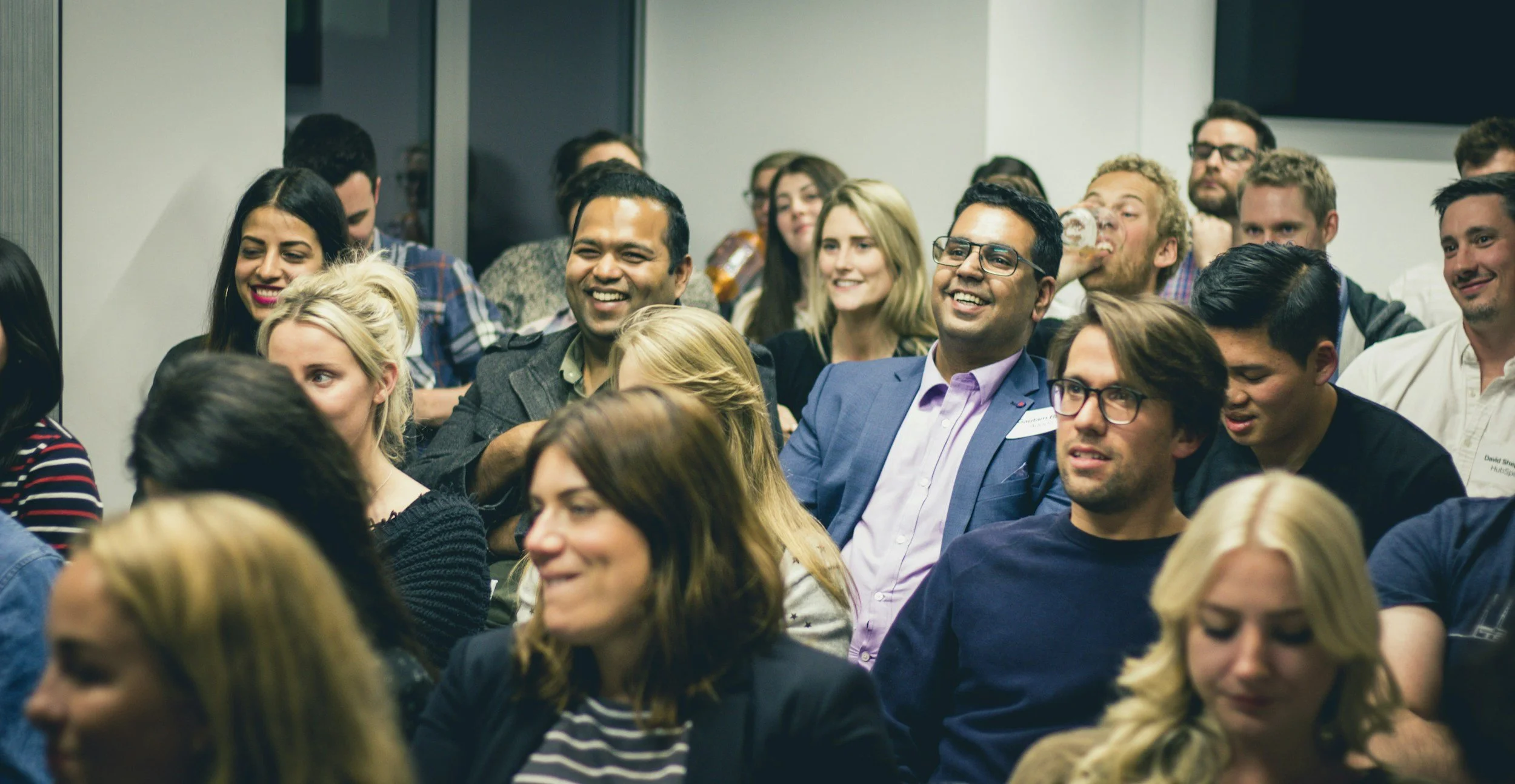
This is also how a live improvised freestyle+ show starts. If you are weighing corporate entertainment for events, here is a quick way to tell a participatory act from a band in the corner: the participatory one asks the audience for input of any kind before it does anything else. Asks the audience to be active participants, not just an audience.
Why do your own people's words beat good generic content?
People pay attention to their own world. A song that rhymes about the launch that nearly missed its date, or a joke about the team that stayed late in March, lands in a way no outside content can, because the audience was there, they’ve already participated. Nothing our cast performs exists until the audience hands them the words. The cast of freestyle+ includes members of Freestyle Love Supreme, the Tony Award-winning, Grammy-nominated Broadway show, and the first thing they do with a room is borrow its vocabulary.
It should be noted that all of this is vetted by you and other stakeholders before hand, we are tremendously cautious around any hot spots or delicate events, terms, people, or any other sensitive areas that may raise eyebrows. Our team is highly skilled and while it is improvised, the performers know what they’re saying. You know what I’m saying? :)
For a sales kickoff, the same idea can start before anyone is in the room. We have built a freestyle intro video around a company's theme for a kickoff, which gave the sales team something to rewatch and share after the event ended.
How should you pace a long program?
Alternate between watching, playing, and listening, and keep the playing short. An interactive keynote we run (we call ours an UnKeynote) is built in blocks of roughly five to twenty minutes, with a short debrief after each one. The audience does something, says what they noticed, and moves on before attention drifts.
Put the energy ahead of the dense material, not after it. A short participatory opener before a speaker with forty slides of numbers does more for that speaker than any pep talk from the stage.
Planners sometimes worry that play costs their leaders credibility. The feedback on the performance reviews page points the other way. A sponsor at one conference said an opening performance helped attendees drop their guard, so the conversations that followed felt more direct and less staged. A real estate investment firm said a show humanized its senior management team, which they felt the whole company needed.
What about the back row and the people on screen?
Give them the same job as everyone else, and make sure the show can hear it. In a ballroom, that means a way in that does not depend on a microphone: a poll, a shout, a show of hands. For a remote or hybrid audience, it means that words typed into the chat get used on stage, by name, early, so people at home see that typing something changes what happens in the room. If the remote audience only watches, it is a broadcast, and it will be treated like one.
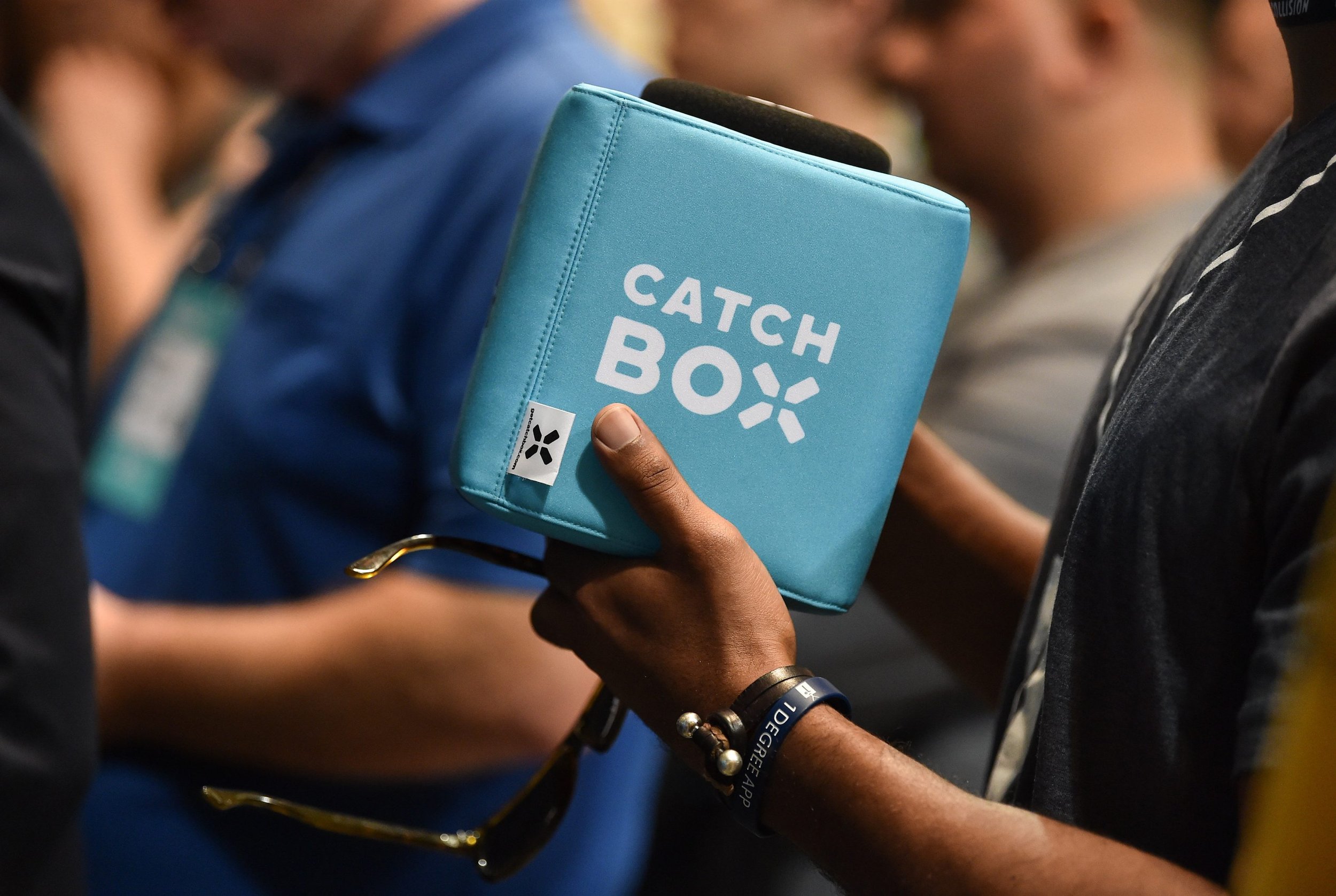
We will sometimes employ a “catch mic” that can be thrown about to the room and to the back row to get input from even the last minute stragglers who wanna hide cuz they were late.
How should the program end?
Hand the audience their own words back. A close built from what was said during the day works best: the one-word answers from the opening, the comments from the debriefs, the suggestions from the floor. We usually end with a freestyle rap-up made from what the room shared. People leave hearing themselves in the final piece, and the planner has something specific to point to afterward.
When is this the wrong move?
When the message needs every minute. A quarterly all-hands that exists to walk through a reorg and a policy change needs clarity before it needs energy. A performance will not rescue an unclear agenda, and a planner who books one to cover for a thin program will see that. It also fits badly when leadership will not take part. Rooms copy the front row, so if the executives sit with their arms crossed, the audience will follow.
What should you ask any performer you are considering?
Does the act ask the audience for input before it performs, or does it perform at them?
How does the material connect to our company and our year, and when do we do that work together?
What does the remote audience do, specifically?
Who talks through the run of show with us before the day, and how many conversations does that take?
If you are planning an all-hands or a kickoff and want to talk through what an interactive opener could look like in your room, start with a free 15-minute call.
